
Sports Bras Collection — Bandier
Our compression high-impact sports bra delivers maximum support for running, HIIT, and high-intensity training. We engineered this style with power mesh panels that compress the chest against the body, minimizing movement without sacrificing breathability. The bonded construction eliminates chafing, while moisture-wicking fabric keeps you dry through every rep.

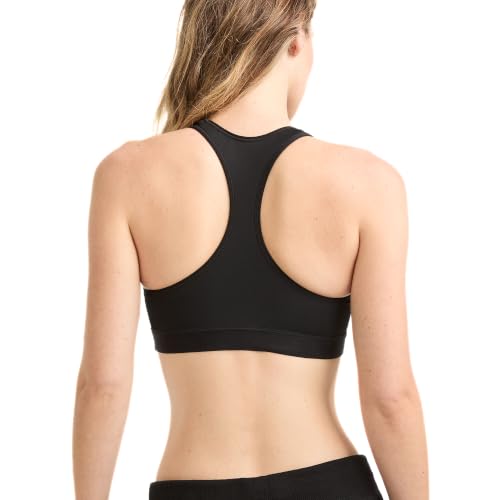


Bandier sports bras fall into three support categories, each engineered for specific movement intensities. Low-impact styles like our bralette use minimal compression and work best for yoga, stretching, or walking — activities where your feet stay on the ground most of the time. Moderate-impact bras combine light compression with structured cups, suited for cycling, hiking, or weight training where bounce is present but not constant.
Fabric technology and construction details
Every fabric in our sports bra collection is engineered for moisture management first. We use synthetic blends — nylon, polyester, spandex — because they wick sweat away from skin and dry faster than natural fibers. Four-way stretch means the fabric moves in all directions without losing shape, critical when you’re transitioning from plank to downward dog.
Bonded seams replace traditional stitching in high-friction zones like underarms and side panels. Bonding eliminates the raised ridge of thread that causes chafing during long runs or back-to-back classes. Mesh panels appear where your body generates the most heat: along the spine, under the bust, across the sides. Perforated fabric pulls hot air out while maintaining structural integrity.
Styling across your activewear wardrobe
Our sports bras are designed to anchor your workout outfits, not hide under them. Longline styles with extended bands double as crop tops when paired with high-waisted leggings or joggers. Reflective logos and contrast stitching add visual interest that looks intentional during warm-ups or cooldowns in the gym lobby.
Racerback cuts work under stringer tanks and open-back tops without visible straps. Front-zip styles create a streamlined look under fitted tees because the placket sits flatter than a pullover neckline. If you layer sports bras under loose hoodies for outdoor winter runs, size down in the outer layer to prevent fabric bunching.
What sets these styles apart
Performance styles across support levels



Customer reviews

Questions about our sports bra collection
Compression bras press the chest against the body with a single layer of tight fabric, ideal for smaller cup sizes or athletes who prefer a flattened silhouette. Encapsulation bras use individual molded cups to separate and support each breast, which works better for D+ cups or anyone who finds compression uncomfortable. Hybrid styles combine both methods for balanced support.
Your activity level also matters. High-impact workouts like running or jump training demand either full compression or structured encapsulation. Moderate activities like cycling or hiking can use lighter compression. Low-impact movements like yoga only need bralette-style coverage.
Size up in compression styles if you’re between sizes. Compression fabric is designed to fit snugly, and going too small restricts breathing and causes discomfort. Size down in encapsulation bras to ensure the band stays anchored and the cups don’t gap.
If your band and cup measurements fall into different size categories, prioritize band fit first. A too-loose band rides up and eliminates support no matter how well the cups fit. You can adjust straps to fine-tune cup coverage once the band is secure.
Low-impact bralettes and longline styles work well for all-day wear because they use softer, less compressive fabrics. High-impact compression bras are engineered for short-duration athletic performance and can feel restrictive during eight-plus hours of wear.
If you want a sports bra that transitions from workout to errands, choose a hybrid or moderate-impact style with adjustable straps. These offer enough support for casual movement without the vice-grip feel of competition-grade compression.
Replace sports bras every six to twelve months with regular use, or after roughly 50 washes. Elastic degrades over time, and once the band stretches out, the bra loses its ability to provide adequate support. Signs it’s time to replace include visible fabric pilling, straps that won’t stay adjusted, or a band that rides up your back during activity.
Rotating between multiple bras extends their lifespan by reducing wear on any single piece. If you work out five days a week, own at least three bras so each one has recovery time between wears.
Yes, every style includes removable foam inserts. The inserts provide optional shaping and prevent visible nipples under light-colored or thin tops. You can remove them entirely if you prefer a more natural silhouette or find the added layer too warm.
The inserts are machine washable and designed to maintain their shape through repeated laundering. Air-dry them separately from the bra to speed up drying time.
Bandier compression styles in XS–XXL run true to standard activewear sizing, which typically corresponds to dress sizes. Encapsulation bras in traditional cup sizing align closely with your everyday bra size, though band measurements may feel tighter because activewear requires a more secure fit than daily-wear bras.
If your everyday bra band rides up or feels loose, you may need to size down in the band when ordering encapsulation sports bras. The underband should sit level across your back without riding up during movement.
Machine wash cold in a mesh laundry bag to protect elastic and hardware. Use liquid detergent only — powder detergent doesn’t dissolve completely in cold water and can build up on moisture-wicking fabric. Skip fabric softener, which coats fibers and blocks sweat-wicking properties.
Tumble dry low for compression styles, but hang-dry encapsulation bras to prevent molded cups from warping. Never iron sports bras or expose them to high heat, which degrades spandex and melts bonded seams.