

How to Choose Activewear That Actually Matches Your Workout Routine
Not all activewear is created equal, and what works for a spin class won’t necessarily serve you well in a hot yoga studio. We created this guide to help you match your workout wardrobe to your actual routine — because the right fabric, fit, and features can make the difference between a great session and constant adjustments mid-movement.
Whether you’re building your first activewear collection or refining what you already own, understanding how to choose activewear for your specific activities saves you from buying pieces that end up unworn. Let’s walk through what matters for each workout style.
Match Fabric to Movement Intensity
High-intensity workouts demand moisture-wicking synthetics that pull sweat away from your skin, while lower-intensity practices can accommodate cotton blends or natural fibers. For HIIT, boxing, or running, look for polyester, nylon, or proprietary performance blends engineered to dry quickly and resist odor buildup. These fabrics also tend to hold their shape better through repeated washing.
Yoga and Pilates practitioners often prefer fabrics with a softer hand feel — four-way stretch materials that move with your body without bunching. The same principle applies when you’re choosing between leggings and shorts: mat-based workouts benefit from longer inseams that stay in place during inversions, while cardio sessions might call for shorter cuts with less coverage. Studio temperature matters too; hot yoga requires the lightest-weight, most breathable options you can find, while barre studios often run cool enough that a long-sleeve layer makes sense.
Get the Fit Right for Your Activity
Compression vs. Relaxed Silhouettes
Compression gear supports muscles during high-impact activity and can reduce fatigue in longer training sessions. If you’re doing plyometrics, sprints, or heavy lifting, a compressive fit keeps everything locked in place and minimizes bounce. Research published by the compression garment field suggests that graduated compression may also aid recovery, though the performance benefits during exercise are still debated.
For lower-impact work, a relaxed fit offers more breathability and freedom. Dance cardio, stretching routines, and casual walks don’t require the same level of muscle support, so you can prioritize comfort and range of motion. We design our activewear with both silhouettes in mind, because your closet should cover the full spectrum of how you move.
Inseam and Rise Considerations
High-rise waistbands prevent gaping during forward folds and core work; mid-rise styles work well for steady-state cardio where you’re not bending at extreme angles. Inseam length affects both coverage and mobility — a 25-inch inseam hits most people at the ankle and works across activities, while a 21-inch crop can feel less restrictive in hot weather or during explosive movements.
Prioritize the Right Support Level
Your choice of sports bras should shift with your workout’s impact level, not just your usual bra size. Low-impact activities like yoga, walking, or weight training on machines can get by with light-support bralettes or shelf-bra tanks. Medium-impact work — cycling, hiking, elliptical sessions — calls for encapsulation or compression styles that limit movement without feeling restrictive.
High-impact cardio demands maximum support: look for adjustable straps, underwire or strong elastic bands, and fabrics that won’t stretch out after a few washes. Running, jump rope, and dance fitness all fall into this category. If you’re between sizes or bust measurements, size up in high-impact bras to avoid chafing and discomfort during longer sessions.
Many athletes keep multiple support levels in rotation and choose based on the day’s schedule rather than defaulting to one style. That approach extends the life of each piece and ensures you’re always wearing the right tool for the job.
Consider Versatility and Lifestyle Crossover
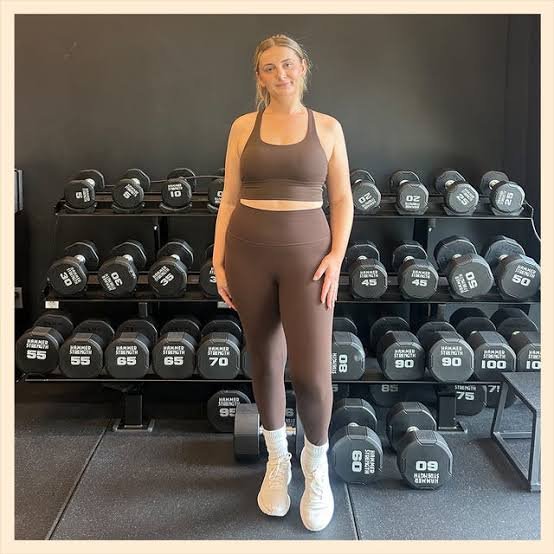
The line between athleisure and pure performance gear has blurred enough that many pieces now transition seamlessly from studio to street. If you’re short on time between a morning class and work, or you prefer to run errands in your workout clothes, look for styles with clean lines, neutral colors, and minimal branding.
Jackets and pullovers with tailored cuts can layer over dressier separates; high-waisted leggings in solid black or navy pair with oversized sweaters or blazers for a pulled-together look. We’ve found that versatile pieces get worn more often, which makes them a better investment than single-use items that only leave the house for one specific activity.
That said, don’t sacrifice function for fashion. A pair of leggings might look great at brunch, but if the fabric pills after two washes or the waistband rolls during your actual workout, it’s not serving either purpose well.

Test for Opacity and Durability
The squat test remains the gold standard for checking opacity: bend deeply in a well-lit fitting room and check the mirror for sheerness. Fabrics that pass at rest can still become see-through under stretch, especially in lighter colors. If you plan to wear the piece for high-intensity training, add a jump or lunge to the test as well.
Durability shows up in construction details — flatlock seams that won’t chafe, reinforced gussets in high-stress areas, and waistbands that maintain their elastic over time. We recommend checking care labels before you buy; some performance fabrics require cold-water washing and air drying to preserve their technical properties, while others can handle a standard laundry routine.
Pilling is the enemy of activewear longevity. Cheaper synthetic blends often develop those fuzzy fabric balls after just a few wears, especially in areas of friction like the inner thighs. Higher-quality materials resist pilling longer, which offsets the initial price difference over the garment’s lifetime.
Build a Workout Wardrobe That Works
Choosing activewear isn’t about chasing trends or buying the most expensive pieces on the rack. It’s about understanding your movement patterns, knowing what fabrics and fits support those patterns, and investing in quality construction that lasts.
Start by auditing your current routine — what activities do you do most often, and what do you reach for on those days? Build from there, prioritizing versatile basics that cross multiple workout styles. Our full activewear collection includes options across every category we’ve covered here, so you can find exactly what your training demands. When your clothes match your movement, everything else gets easier.
Notes
Match fabric to sweat level and movement type. High-sweat activities need moisture-wicking synthetics like polyester or nylon that dry fast and resist odor. Low-intensity workouts can use cotton blends or softer performance fabrics. For flexibility-focused work, prioritize four-way stretch materials that move with your body.
Also consider climate: hot environments demand the lightest, most breathable options, while cooler spaces let you layer heavier fabrics.
Size according to the piece’s intended function. Compression gear should fit snugly without cutting in, so if you’re between sizes, go up for comfort. Relaxed-fit styles can follow your usual size, though some people prefer to size down in oversized pieces to avoid excess fabric bunching during movement.
Always check the brand’s size chart, as activewear sizing varies widely across labels.
A practical rotation includes at least two bras per impact level you train at regularly. If you do high-impact cardio three times a week, own at least two high-support bras so you always have a clean one ready. The same logic applies to medium and low support.
This approach prevents overwashing any single bra, which extends its lifespan and keeps elastic from breaking down prematurely.
Technically yes, but performance suffers on both ends. Running leggings often use lighter-weight, more compressive fabrics optimized for forward motion and sweat management. Yoga leggings prioritize four-way stretch and a softer hand feel for mat work and deep stretching.
If you’re doing both activities regularly, owning dedicated pieces for each improves comfort and function. A versatile middle ground is a medium-weight, high-stretch legging that handles moderate-intensity cardio and studio classes equally well.
Opaque fabric blocks light when you’re standing still; squat-proof fabric stays opaque under deep stretch. Many leggings look fine at rest but become sheer across the glutes and thighs during a full squat or lunge.
Squat-proof construction usually involves thicker fabric weights, denser knit structures, or added lining in high-stretch zones. Always test in the fitting room before buying, especially in lighter colors.
Replace pieces when they lose their technical properties — if moisture-wicking fabrics start holding sweat, elastic waistbands won’t stay up, or the material develops permanent odor. With proper care, quality activewear lasts one to two years of regular use.
Visible signs include pilling, fading, stretched-out seams, or fabric thinning in high-friction areas. If a piece no longer performs its job during your workout, it’s time for a replacement.