

What Is Athleisure and How to Style It for Everyday Wear
What is athleisure? At its simplest, it’s activewear designed to move seamlessly from the studio to the street. The term blends ‘athletic’ and ‘leisure,’ capturing a category of clothing built for performance but styled for everyday life.
The concept emerged in the late 1970s when joggers and tracksuits first appeared in casual settings, but it gained real momentum in the 2010s as technical fabrics improved and workplace dress codes relaxed. Today, we see athleisure as a cornerstone of modern wardrobes—pieces that support an active lifestyle without requiring you to change outfits three times a day.
The Fabrics That Define Athleisure
What sets athleisure apart from traditional activewear or loungewear is the fabric technology behind it. Most pieces rely on moisture-wicking synthetics like polyester and nylon blends, often combined with spandex or elastane for stretch. These materials pull sweat away from your skin during a workout, then recover their shape and drape when you’re sitting at a café afterward.
Many of our women’s activewear styles incorporate four-way stretch fabrics that move in every direction, which is why the same pair of leggings can handle a yoga class and a full day of errands without binding or sagging. Some newer formulations include antimicrobial treatments to reduce odor, and others feature brushed or ribbed finishes that read more like elevated knitwear than gym gear.
Cotton blends appear in athleisure too, particularly in hoodies and joggers, though pure cotton lacks the performance qualities that make a piece truly versatile. The goal is always a fabric that looks polished enough for public spaces while still delivering the technical benefits you’d expect from activewear.
Building an Athleisure Capsule Wardrobe
A functional athleisure wardrobe starts with leggings in one or two neutral colors—black and a mid-tone gray or navy cover most situations. High-waisted styles offer more coverage and hold their position during movement, which matters whether you’re in a plank or reaching for something on a top shelf.
From there, add a few supportive tops that can layer or stand alone: a fitted tank, a longer tunic-length tee, and a cropped long-sleeve. These provide options for temperature changes and different silhouettes without requiring a separate outfit.
Outerwear That Works Everywhere
The right jacket ties an athleisure look together and makes it appropriate for more settings. A bomber or moto-style jacket in a technical fabric adds structure, while a longer duster or wrap coat softens the sporty feel. We find that jackets with minimal branding and clean lines transition best—choose one that could plausibly belong in either your gym bag or your work tote.
Finish with streamlined sneakers and a structured bag. The sneakers should be low-profile enough to avoid looking like dedicated running shoes, and the bag should have compartments to keep gym essentials separate from your laptop or wallet.
Styling Athleisure for Different Occasions
For a coffee run or weekend errands, pair high-waisted leggings with an oversized sweatshirt or hoodie and slip-on sneakers. The oversized top balances the fitted bottom and keeps the look relaxed without appearing sloppy.
When you’re headed to a casual lunch or meeting friends, swap the sweatshirt for a tailored blazer or longline cardigan. The contrast between the structured layer and the sporty base creates a more intentional silhouette. Add a crossbody bag and minimal jewelry—small hoops or a simple pendant—to signal that this is a styled choice, not an afterthought.
Athleisure in Work-From-Home and Hybrid Settings
For video calls or hybrid workdays, choose leggings in a solid dark color and pair them with a fitted turtleneck or blouse. The camera typically captures you from the waist up, so a polished top carries the outfit. If you need to step out, throw on a long coat or trench that hits below the knee—it extends the vertical line and adds formality.
Evening plans call for texture and detail. A leather or faux-leather moto jacket over a mesh or cutout tank elevates the sporty base, and ankle boots with a slight heel replace sneakers. The key is introducing one or two non-athletic elements that shift the context without requiring a complete change.
Avoiding Common Athleisure Styling Mistakes
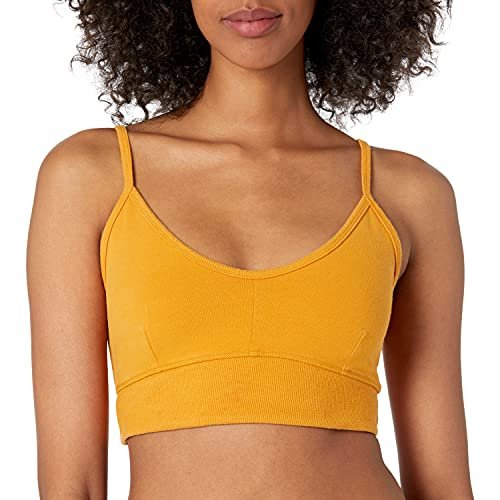
The most frequent misstep is wearing head-to-toe matching sets in bold colors or heavy branding. A monochrome set can look polished in neutral tones, but matching neon pink leggings with a neon pink sports bra and jacket reads as costume rather than outfit.
Another pitfall is pairing compression leggings with an equally tight top. The silhouette becomes unbalanced and overly sporty. Instead, contrast fitted bottoms with a looser, longer top, or vice versa—one fitted piece and one relaxed piece per outfit maintains proportion.
Worn-out fabrics undermine the entire concept. Athleisure depends on crisp, structured materials that hold their shape. If leggings are pilling, sagging at the knees, or turning sheer, they’ve crossed into pure loungewear territory and no amount of styling will pull them back. Replace pieces when the fabric loses its recovery.
Making Athleisure Work for Your Lifestyle
Athleisure succeeds when it serves your actual routine rather than forcing you into a trend. The pieces you choose should genuinely support the way you move through your day—whether that’s a morning workout followed by remote work, errands that stretch from the grocery store to a quick meeting, or a full day out that shifts from casual to slightly dressed up.
Start with versatile basics in neutral tones, then add one or two statement layers or textures that reflect your personal style. The goal is a wardrobe that eliminates the friction of multiple outfit changes while still looking like you made intentional choices, not like you rolled out of bed and hoped for the best.
Notes
Athleisure refers to clothing designed with performance fabrics and athletic cuts but styled for wear outside the gym. Activewear is built strictly for exercise, while athleisure prioritizes versatility—pieces that function during a workout and still look intentional in everyday settings like brunch, errands, or casual work environments.
The distinction often comes down to design details: athleisure typically features subtler branding, elevated fabrications like ribbed knits or faux leather accents, and silhouettes that pair well with non-athletic pieces like blazers or coats.
It depends on your workplace dress code. In fully casual or creative environments, athleisure is often acceptable, especially if you pair sporty basics like leggings with tailored layers such as a longline cardigan, structured blazer, or button-down shirt.
For business-casual settings, stick to dark, solid-color leggings and avoid visible logos or overly technical details like zippered pockets or reflective panels. A polished top, closed-toe shoes, and minimal accessories help the outfit read as intentional rather than accidental.
Focus on classic silhouettes in neutral colors—black, gray, navy, and olive age better than trend-driven prints or neon shades. High-waisted leggings, crewneck sweatshirts, and fitted tanks in solid tones have remained staples for years because they layer easily and don’t rely on seasonal trends.
Avoid heavy branding or logo-centric designs, which tie a piece to a specific moment in a brand’s marketing cycle. Subtle details like ribbed textures, side slits, or contrast stitching add visual interest without screaming a particular year.
Sneakers are the most common choice, but opt for low-profile styles in neutral colors rather than chunky running shoes with bold colorways. Minimalist leather or canvas sneakers pair well with both leggings and joggers.
For a dressier take, try ankle boots, loafers, or slide sandals depending on the season. The goal is footwear that doesn’t amplify the athletic aspect of the outfit—choose streamlined shapes that could plausibly appear in a non-sporty context.
Replace items when the fabric loses its technical properties—when leggings become sheer under stretch, when moisture-wicking tops start holding odor despite washing, or when elastic waistbands no longer recover after wear. For frequently worn pieces, this often happens within one to two years.
Proper care extends lifespan: wash in cold water, avoid fabric softener which coats fibers and reduces moisture-wicking ability, and air-dry when possible since high heat breaks down elastane. Even high-quality athleisure has a functional shelf life tied to the performance of its synthetic fibers.
Athleisure is ideal for travel because it combines comfort with versatility. Leggings and joggers made from wrinkle-resistant fabrics pack efficiently and stay presentable after long flights or car rides.
Choose pieces that can be dressed up or down: a black jumpsuit in a technical fabric works for the plane and for dinner with a jacket, and a hoodie layers under a coat for warmth without adding bulk. Stick to a cohesive color palette so every piece works together, reducing the number of items you need to pack.